


April 12, 2017|By Ross Feldman
Our people-focused, business-minded approach has enduring impact and multiple benefits. We’re more ecologically and community oriented than our for-profit “business” competitors, and more economically focused than our “conservation” competitors. We are positioned perfectly to occupy the space in between – helping people understand that it’s possible to unite their economic and environmental priorities and achieve results that benefit both.
Using a variety of transactions and continually reinvesting our funds into new conservation projects once others are finished, we’ve helped permanently preserve more than 8 million acres of land in all 50 states.
Using a variety of transactions and continually reinvesting our funds into new conservation projects once others are finished, we’ve helped permanently preserve more than 8 million acres of land in all 50 states.
April 12, 2017|By Ross Feldman
According to the U.S. Fish and Wildlife Service, for every $1.00 Congress provides in funding to run the National Wildlife Refuge System, almost $5.00 is returned to local communities, primarily through increased tourism, recreational and educational opportunities. We’re proud of the many ways we have helped our many partners protect wildlife since 1985, including
April 12, 2017|By Ross Feldman
We provide financing for conservation in many different ways, including funds for acquisition of valuable lands and waters, bridge financing through loans, and grants and loans to entrepreneurs who are developing sustainable and successful solutions to conservation problems. Our assistance frequently goes to those in underserved and economically distressed communities.
April 12, 2017|By Ross Feldman
The Fund builds vibrant communities and supports community prosperity through:
- Inspiring resilient and equitable development in urban communities
- Supporting rural investment and natural resource-based economies
- Promoting healthy and sustainable, local food and farming
April 12, 2017|By Ross Feldman
Our partnerships draw on cross-sector expertise to develop lasting results. Ranging from mitigation and conservation banking to balancing nature and commerce in rural communities, and from green and grey infrastructure to livability and sustainable tourism, we create conservation solutions that work for America.
April 12, 2017|By Ross Feldman
Smart land conservation can increase carbon sequestration, reduce greenhouse gas emissions, build resilience to changing environmental conditions, and help communities, landscapes, and wildlife adapt to an ever-changing climate. These efforts along with good management and restoration practices are key to improving our ecosystems and strengthening America’s economy—the more resilient our lands are, the more resilient our communities and businesses are.
We envision a healthy future for our environment, our economy and for all people. We strive to build climate resiliency in communities for everyone while providing open space and wildlife habitat.
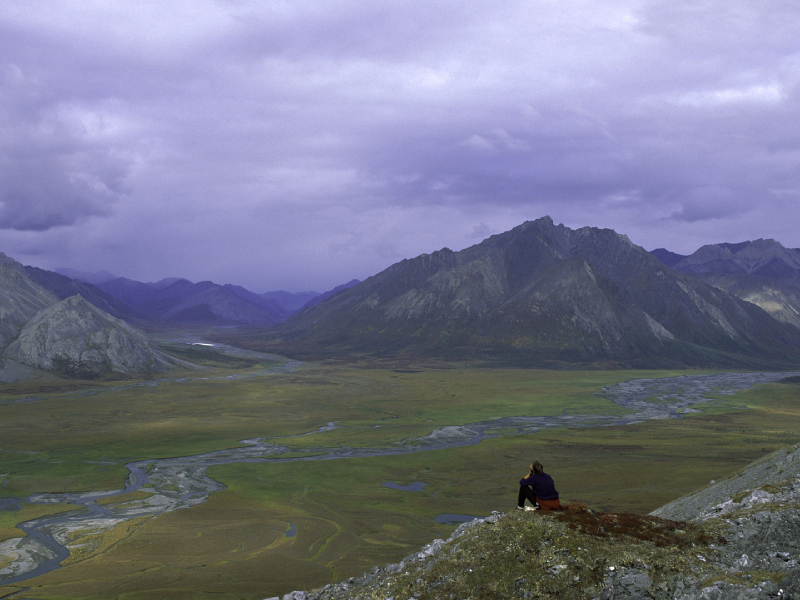
Photo credit: USFWS
Protecting forests from fragmentation and conversion into non-forest uses is an immediate, actionable, proven way to remove carbon dioxide from the atmosphere. Forests in the U.S. sequester over a half-billion metric tons of CO2e per year, 60X more carbon than any other natural land ecosystem. Protected forests are an essential tool for mitigating climate change while also benefitting wildlife habitat and sustaining jobs in rural communities.
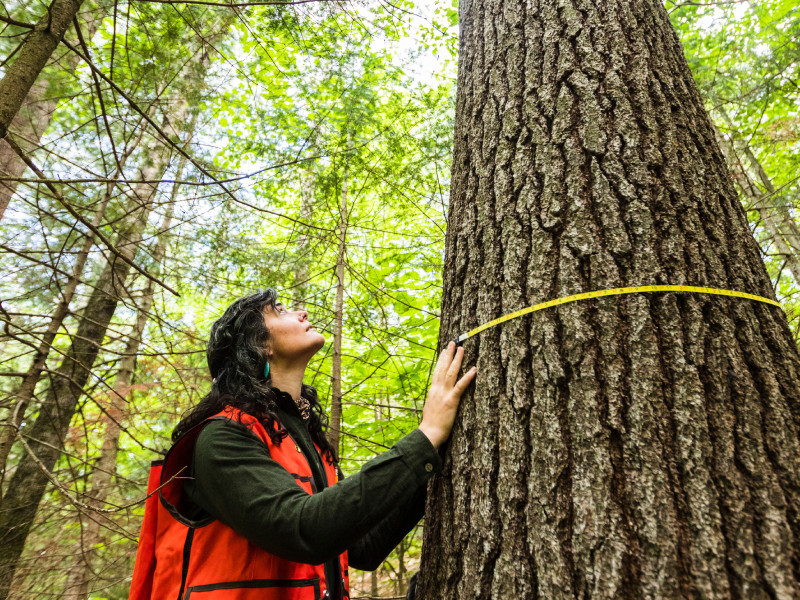
Photo credit: Stacy Funderburke
Today we are already experiencing more frequent drought, flooding, extreme temperatures and severe weather events, the pace of which is altered by changing climate conditions. To help safeguard our communities and natural areas, our projects incorporate green infrastructure, ecological restoration and adaptive management to maximize the benefits of our natural areas, from cities to rural farms, forests and wilderness areas.
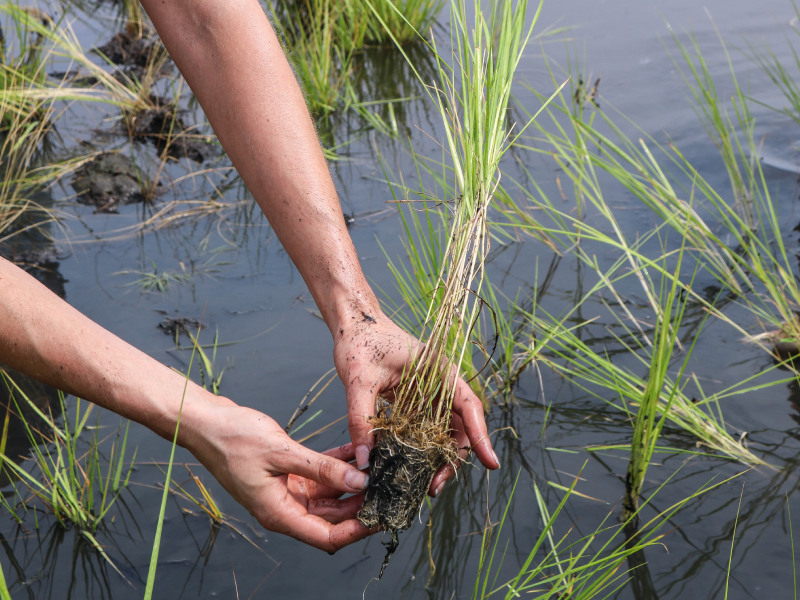
Photo credit: Dagny Leonard
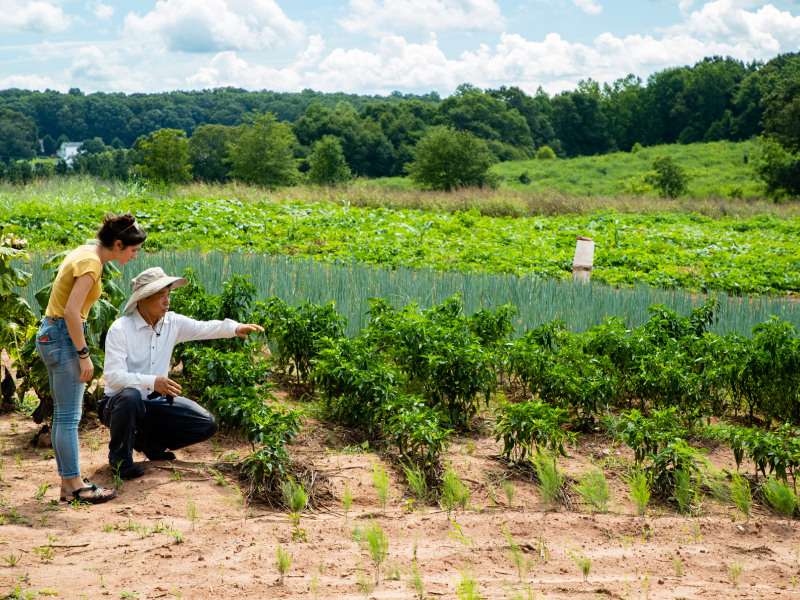
Photo credit: Stacy Funderburke
We envision a healthy future for our environment, our economy and for all people. We strive to build climate resiliency in communities for everyone while providing open space and wildlife habitat.
Permanent Land Protection
From small urban parks to hundred-thousand-acre national parks, we’ve conserved over 8.5 million acres of land across America, providing open space and wildlife habitat and playing a significant role in mitigating climate change. Conserving biological diversity in our natural ecosystems will improve ecological health and aid wildlife adaptation to changing environmental conditions. Connecting conserved land and creating wildlife migration corridors also will allow wildlife to access preferred habitat and maintain genetic diversity. Land conservation also can help offset or reduce other impacts of climate change, such as flooding, wildfire, and food and water security.Photo credit: USFWS
- Large landscapes – Greater Yellowstone Area
- Watersheds – Banded Peak Ranch, Colorado
- Coastal wetlands – Sabine Ranch, Texas
- Climate resilient ecosystems – Coastal Headwaters Forest
Climate-Smart Working Forests
Protecting forests from fragmentation and conversion into non-forest uses is an immediate, actionable, proven way to remove carbon dioxide from the atmosphere. Forests in the U.S. sequester over a half-billion metric tons of CO2e per year, 60X more carbon than any other natural land ecosystem. Protected forests are an essential tool for mitigating climate change while also benefitting wildlife habitat and sustaining jobs in rural communities.Photo credit: Stacy Funderburke
- Working Forest Fund®
- North Coast Forest Conservation Initiative
- Capturing and Conserving Carbon in our Working Forests – Planting Trees vs. Saving Trees: What You Should Know
Adaptation and Restoration
Today we are already experiencing more frequent drought, flooding, extreme temperatures and severe weather events, the pace of which is altered by changing climate conditions. To help safeguard our communities and natural areas, our projects incorporate green infrastructure, ecological restoration and adaptive management to maximize the benefits of our natural areas, from cities to rural farms, forests and wilderness areas.Photo credit: Dagny Leonard
- Green Infrastructure Planning – Cook County, Illinois
- Adapting to sea-level rise – Chesapeake Bay
- Nature-based flood management – Greenseams® Milwaukee, Wisconsin
Community and Economic Resilience
Many of America's most important landscapes also are home to our most economically distressed and socially marginalized communities—areas that are least resilient to withstanding economic shocks and displacement that result from climate change. We partner directly with these communities to build economic resilience and address climate equity by strengthening local and regional water systems, rethinking energy and creating economic opportunities.Photo credit: Stacy Funderburke
- Resilient, Equitable Food Systems – Resourceful Communities; Working Farms Fund
- Sustaining Urban Waters – Atlanta, Raleigh and Durham
- Innovative Green Spaces for Communities – Parks With Purpose
April 12, 2017|By Ross Feldman
Much of our work is possible thanks to bipartisan support from U.S. Congressional leaders for critical conservation programs. We are committed to helping our federal partners pursue their priorities: Working with them, we have completed around 900 conservation projects, saving U.S. taxpayers more than $350 million.


