


We envision a healthy future for our environment, our economy and for all people. We strive to build climate resiliency in communities for everyone while providing open space and wildlife habitat.
Permanent Land Protection
From small urban parks to hundred-thousand-acre national parks, we’ve conserved over 8.5 million acres of land across America, providing open space and wildlife habitat and playing a significant role in mitigating climate change. Conserving biological diversity in our natural ecosystems will improve ecological health and aid wildlife adaptation to changing environmental conditions. Connecting conserved land and creating wildlife migration corridors also will allow wildlife to access preferred habitat and maintain genetic diversity. Land conservation also can help offset or reduce other impacts of climate change, such as flooding, wildfire, and food and water security.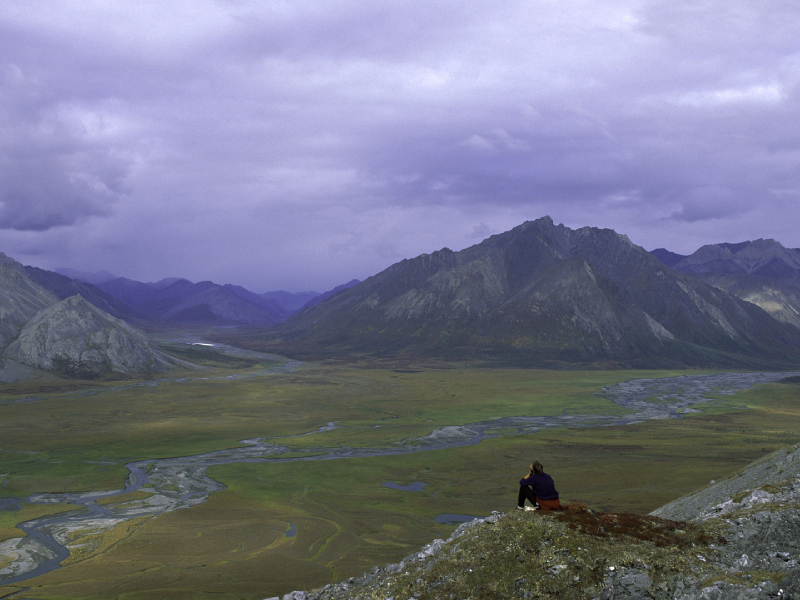
Photo credit: USFWS
- Large landscapes – Greater Yellowstone Area
- Watersheds – Banded Peak Ranch, Colorado
- Coastal wetlands – Sabine Ranch, Texas
- Climate resilient ecosystems – Coastal Headwaters Forest
Climate-Smart Working Forests
Protecting forests from fragmentation and conversion into non-forest uses is an immediate, actionable, proven way to remove carbon dioxide from the atmosphere. Forests in the U.S. sequester over a half-billion metric tons of CO2e per year, 60X more carbon than any other natural land ecosystem. Protected forests are an essential tool for mitigating climate change while also benefitting wildlife habitat and sustaining jobs in rural communities.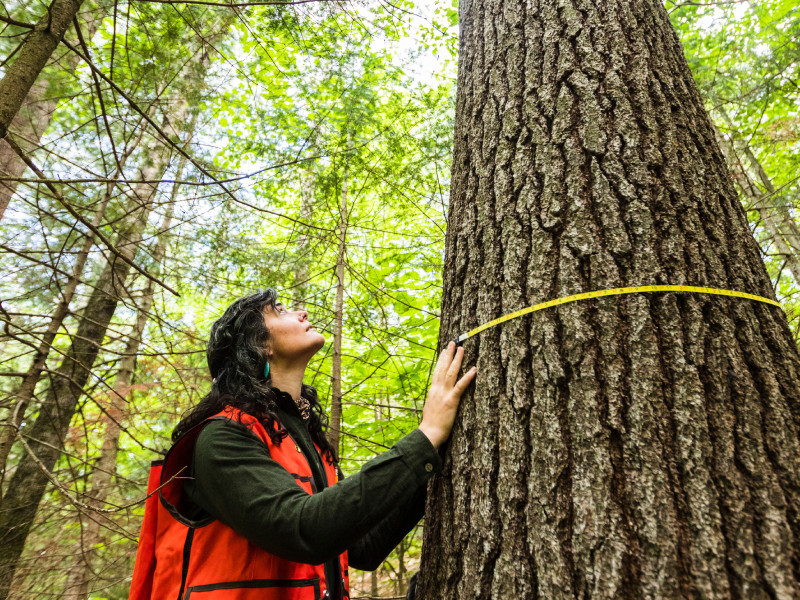
Photo credit: Stacy Funderburke
- Working Forest Fund®
- North Coast Forest Conservation Initiative
- Capturing and Conserving Carbon in our Working Forests – Planting Trees vs. Saving Trees: What You Should Know
Adaptation and Restoration
Today we are already experiencing more frequent drought, flooding, extreme temperatures and severe weather events, the pace of which is altered by changing climate conditions. To help safeguard our communities and natural areas, our projects incorporate green infrastructure, ecological restoration and adaptive management to maximize the benefits of our natural areas, from cities to rural farms, forests and wilderness areas.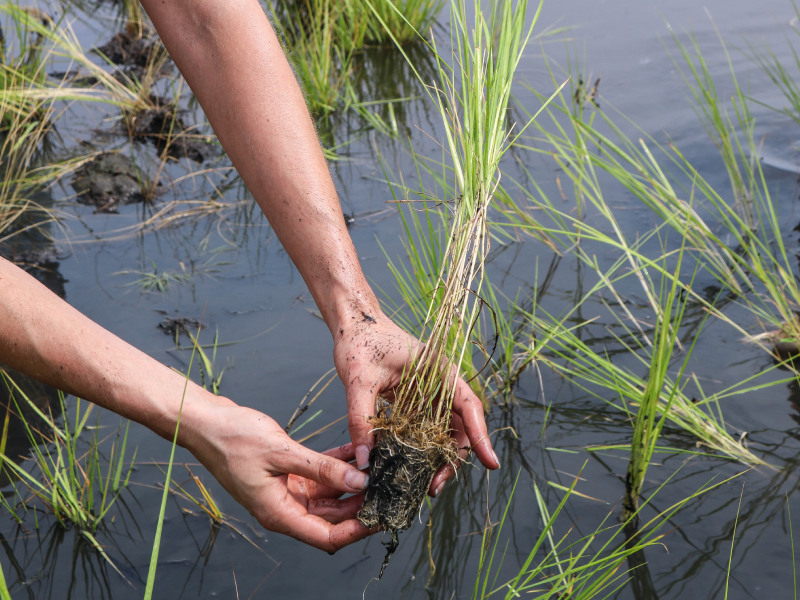
Photo credit: Dagny Leonard
- Green Infrastructure Planning – Cook County, Illinois
- Adapting to sea-level rise – Chesapeake Bay
- Nature-based flood management – Greenseams® Milwaukee, Wisconsin
Community and Economic Resilience
Many of America's most important landscapes also are home to our most economically distressed and socially marginalized communities—areas that are least resilient to withstanding economic shocks and displacement that result from climate change. We partner directly with these communities to build economic resilience and address climate equity by strengthening local and regional water systems, rethinking energy and creating economic opportunities.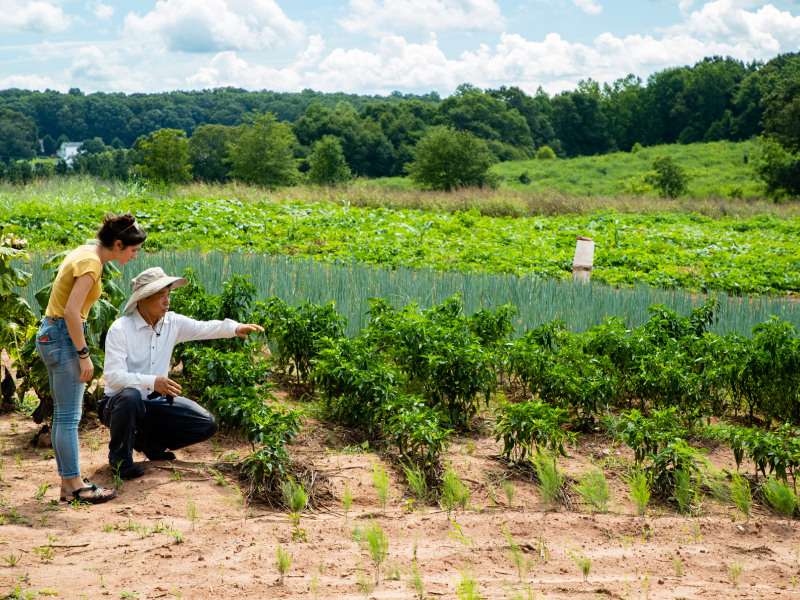
Photo credit: Stacy Funderburke
- Resilient, Equitable Food Systems – Resourceful Communities; Working Farms Fund
- Sustaining Urban Waters – Atlanta, Raleigh and Durham
- Innovative Green Spaces for Communities – Parks With Purpose
Nature’s Key Role
Protecting natural and working lands gives landscapes a chance to adapt to the changing climate and its impacts by:
- safeguarding against devastating floods
- protecting our drinking water supplies
- storing carbon in forests, wetlands, and grasslands
Story of Climate Resilience: Standing Up to Hurricane Harvey
The 12,376-acre Sabine Ranch in southeast Texas protects wildlife habitat for hundreds of thousands of birds and lessens the impacts of storm surges on communities by slowing and retaining water. During Hurricane Harvey in 2017, the ranch absorbed roughly 12 billion gallons of water of the roughly nine trillion gallons that fell on the Houston area. The permanent protection of Sabine Ranch helps restore the dynamic natural ecosystem and safeguards communities.
Empowering Communities
Bouncing back from a flood, economic downturn, or a wildfire is difficult in the best of times, and it is even more challenging when local job opportunities are limited. We build community and economic resilience by providing access to capital for small businesses and groups that use natural resources responsibly, support for local food systems, and technical assistance for energy transition.Story of Climate Resilience: Restoring a River and Helping a Marginalized Community Build Climate Strength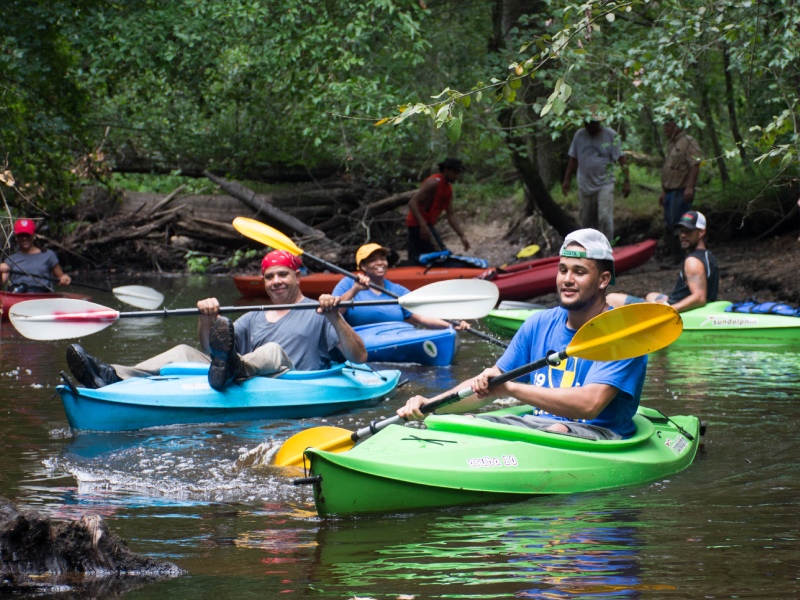
Photo credit: Olivia Jackson
Our Resourceful Communities program provides ongoing support to rural, socially- and economically distressed communities in North Carolina through grants, and strategic networking to explore strategies that ensure more inclusive and efficient hurricane recovery efforts. One grantee, the Coharie Tribe, completed a major restoration effort on the Coharie River to improve deteriorated water flow, which has noticeably lessened the impacts of flooding on streets, sidewalks and homes of many communities in Sampson County.
More Stories of Climate Resilience:
- Wildfires and People: What Can We Do Now?
- Growing a New Generation of Farmers
- Teens Use Their Voices to Become Environmental Advocates
- Greening Youth Plants Equitable Roots
- Houston’s Hurricane Recovery through Smart Green Infrastructure Investments
- Sabine Ranch: Adding To Texas' Land Legacy (video)
By partnering with government agencies, land trusts, nonprofits, communities, donors, corporations and others, we all gain momentum in this critical fight. We can do so much more when we work together.
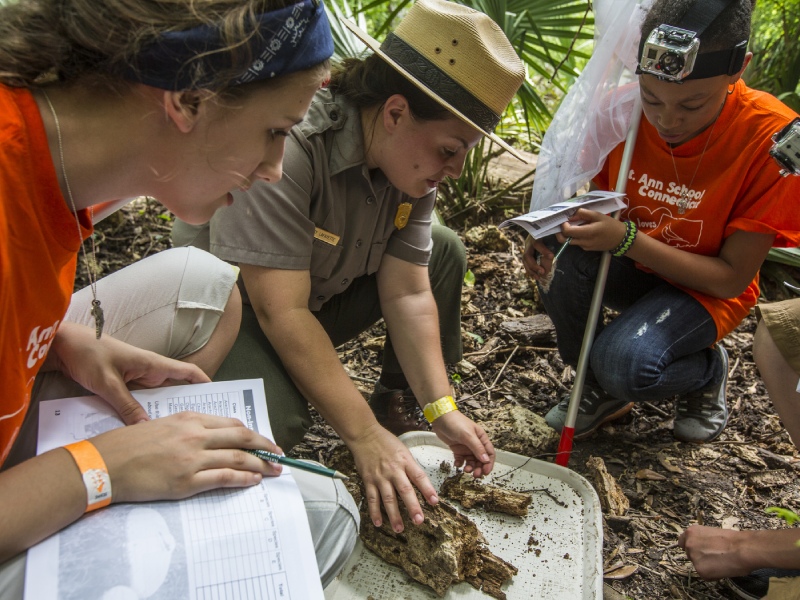
Photo credit: Tandem
Partner examples
- Adapting to sea-level rise – U.S. Fish and Wildlife Service
- Implementing Proactive Strategies for Nature and Communities – U-Haul
- Strengthening Vulnerable, Urban Neighborhoods – JPB
- Sustaining the Health of Urban Waters – Pisces Foundation
- Permanently Protecting Working Forests – Apple
contact us
- Lauren Fety (Forest and Climate Project Manager), lfety@conservationfund.org
- Erik Meyers (Vice President, Climate and Water Sustainability), emeyers@conservationfund.org
The challenge is global, and here in America our forests are being irretrievably lost at a staggering rate.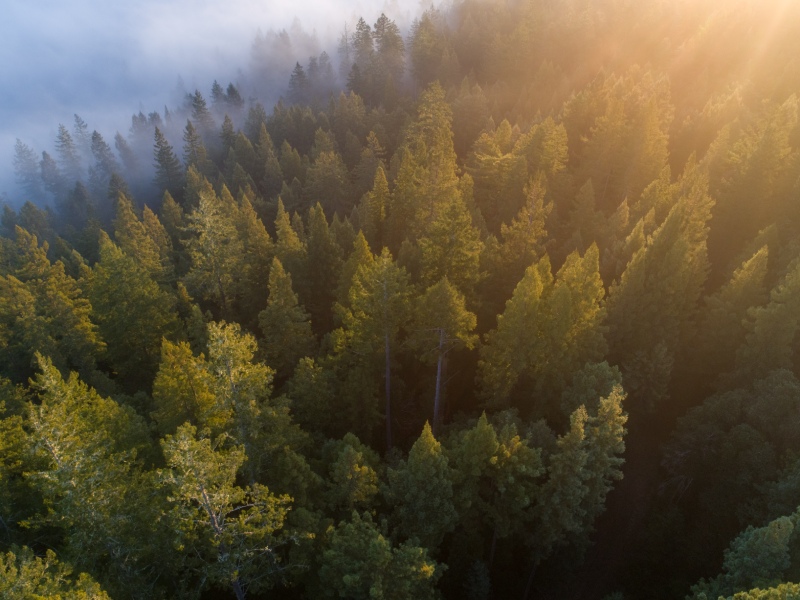
Photo credit: Ivan LaBianca
Although the challenge is great, we believe there is an incredible opportunity to reverse the tide and bolster the power forests can provide in addressing the climate crisis.
Our Working Forest Fund® has already acquired over 760,000 acres of at-risk forests across America. Our vision is to protect five million acres of high-conservation-value forests by 2030—forests that will forever clean our air and water, absorb greenhouse gases and provide places for people to connect with nature.
Through sustainable forest management, we ensure trees are able to grow larger and absorb more carbon dioxide. And by working at the intersection of philanthropy and commercial capital, we are able to leverage the latest innovations in forest protection, technology and capital formation to realize the full potential of what U.S. forests can help us achieve for our climate.
contact us to learn more
- Lauren Fety (Forest and Climate Project Manager), lfety@conservationfund.org
- Brian Dangler (Vice President, Director, Working Forest Fund), bdangler@conservationfund.org


